
Hello world!
Welcome to WordPress. This is your first post. Edit or delete it, then start writing!
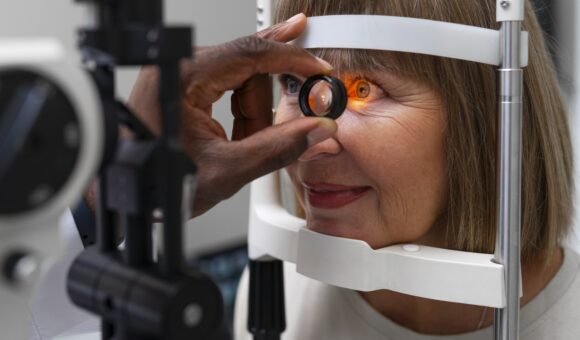
Complete B2B Buying Guide for hospitals, clinics, pharmacies, eye-care centers, distributors, and healthcare organizations.
Healthcare organizations often need to purchase ophthalmic products in quantities larger than a typical retail order.
Hospitals, ophthalmology clinics, pharmacies, eye-care centers, distributors, and other healthcare organizations may regularly source eye drops, ophthalmic medicines, eye gels, ointments, equipment, devices, and professional eye-care supplies.
This is where wholesale procurement becomes important.
Buying wholesale ophthalmic products in India can help healthcare organizations plan recurring purchases, manage inventory, compare quantity-based pricing, and simplify procurement.
However, wholesale purchasing should not be based on price alone.
Product specifications, manufacturer information, minimum order quantity, availability, expiry, storage, delivery, and applicable purchasing requirements should all be considered before placing an order.
OphthalCart provides a dedicated online platform for exploring ophthalmic products and supporting professional healthcare procurement.
Wholesale ophthalmic products are ophthalmic medicines, eye-care products, equipment, devices, and supplies purchased in quantities intended for professional or organizational use.
Wholesale purchasing can be relevant to:
The actual definition of a wholesale quantity can vary depending on the product.
For one product, 50 units may represent a bulk order, while another product may commonly be purchased in hundreds or thousands of units.
The available categories depend on the supplier and product catalog.
Eye drops are among the most frequently sourced ophthalmic products.
Depending on their formulation, they may be intended for different applications, including lubrication, allergy-related symptoms, infection-related treatment, inflammation management, glaucoma management, and other ophthalmic requirements.
Wholesale procurement can include different pharmaceutical ophthalmic formulations.
The selection of a medicine should be based on professional clinical requirements and applicable prescription rules.
Ophthalmic gels are available in formulations designed for specific eye-care applications.
When purchasing in larger quantities, buyers should review:
Ophthalmic ointments are specialized preparations intended for appropriate ophthalmic applications.
Healthcare buyers should check product information and storage requirements before ordering larger quantities.
Wholesale or institutional procurement may also involve ophthalmic equipment and devices.
Equipment procurement requires additional consideration of specifications, installation, warranty, service, and technical support.
Professional ophthalmic instruments can be sourced for examination and procedural requirements.
When purchasing instruments in quantity, buyers should evaluate:
Hospitals may require recurring quantities of ophthalmic medicines, eye drops, equipment, and professional supplies.
Large facilities may have centralized procurement teams that manage requirements across departments.
Eye clinics often have recurring demand for eye drops, medicines, diagnostic products, and clinical supplies.
Wholesale purchasing can be useful when product usage is predictable.
Pharmacies may source ophthalmic products based on customer demand, prescription requirements, inventory levels, and local purchasing conditions.
Specialized eye-care facilities can require a combination of pharmaceutical products, diagnostic equipment, instruments, and other supplies.
Distributors may source ophthalmic products in larger quantities for onward supply, subject to applicable licensing and regulatory requirements.
Some products may offer different prices according to order quantity.
| Quantity | Price |
|---|---|
| 50 units | Product-specific |
| 100 units | Product-specific |
| 500 units | Product-specific |
| 1,000 units | Product-specific |
Actual pricing varies by product.
If a product is regularly used, planned bulk procurement can make inventory management easier.
Procurement teams can establish:
Purchasing appropriate quantities can reduce the need to repeatedly place small orders.
This can simplify administrative work for procurement teams.
Healthcare organizations can consolidate recurring requirements through a structured procurement process.
This can make purchasing easier to track.
Not necessarily.
A wholesale price may be lower per unit, but the total purchase should still make sense for the organization.
Before ordering large quantities, consider:
The best wholesale purchase is one that balances price, quantity, demand, and inventory risk.
Healthcare buyers should follow a structured evaluation process.
Confirm:
Avoid ordering based solely on a similar product name.
Review the manufacturer information provided for the product.
For equipment, also consider:
Two products can appear similar but have different pack sizes.
Always compare the actual quantity or volume.
10 mL × 100 bottles
and
5 mL × 100 bottles
represent very different total volumes.
The supplier may specify a minimum order quantity.
MOQ can vary by product.
Always check the individual product page before placing the order.
Compare pricing according to the actual quantity you require.
If multiple quantity options are available, compare the effective per-unit cost.
The terms bulk and wholesale are often used interchangeably, but they can describe slightly different purchasing situations.
Usually emphasizes purchasing a larger quantity of a particular product.
Often refers to purchasing products for professional, commercial, institutional, or resale purposes.
For example:
A clinic purchasing 500 eye-drop units for internal use may be making a bulk purchase.
A distributor purchasing a large quantity for onward supply may be making a wholesale purchase.
The exact terminology depends on the supplier and transaction.
A simple procurement formula can help estimate the required quantity:
Expected usage = 1,000 units
Safety stock = 200 units
Current inventory = 350 units
Required order:
This is only a planning example.
Actual procurement should consider product expiry, lead time, seasonal demand, storage capacity, and internal purchasing policies.
Hospitals may require multiple categories simultaneously.
A hospital ophthalmology department may source:
For larger organizations, procurement can be organized around monthly or quarterly consumption.
Clinics may have more predictable requirements.
A clinic can analyze:
This can help determine an appropriate order quantity.
Pharmacies need to balance availability with inventory turnover.
Before ordering wholesale quantities, pharmacy buyers should consider:
Overstocking products with slow turnover can create unnecessary inventory costs.
Expiry is one of the most important considerations when buying ophthalmic medicines in larger quantities.
How much product is already available?
How quickly does the facility use or dispense the product?
How long will the product remain within its usable period?
Can the product be stored correctly?
How often will the product be reordered?
A lower unit price does not justify purchasing quantities that cannot be used appropriately before expiry.
Storage requirements depend on the individual product.
Some products may require standard storage, while others may require specific conditions.
Always follow the manufacturer's instructions.
Healthcare facilities should ensure that adequate storage capacity exists before placing large orders.
Online procurement can simplify product discovery.
Search for the required ophthalmic product.
Check product details and manufacturer information.
Choose the appropriate quantity according to your requirement.
Review applicable pricing and quantity options.
Confirm product, quantity, delivery details, and other order information.
Complete the online purchasing process.
Check the delivered products against the order.
OphthalCart is an online ophthalmic marketplace focused on connecting healthcare buyers with ophthalmic products.
The platform provides access to categories such as:
OphthalCart is designed to support procurement requirements across hospitals, clinics, pharmacies, eye-care centers, and other healthcare organizations.
OphthalCart is dedicated to ophthalmic and eye-care products.
Buyers can explore both pharmaceutical and professional ophthalmic products.
Applicable products can offer multiple quantity options.
Product pages can include details such as manufacturer, pricing, specifications, and quantity options.
OphthalCart focuses on competitive pricing for professional healthcare procurement.
Healthcare buyers can browse products and manage orders through the online platform.
Applicable products can be purchased in larger quantities according to product-specific requirements.
Explore available ophthalmic eye-drop products for applicable healthcare requirements.
Browse available ophthalmic pharmaceutical products.
Explore applicable ophthalmic gel products.
Find specialized ophthalmic ointment products.
Explore professional ophthalmic equipment and devices.
Browse additional products designed for eye-care and ophthalmic requirements.
Use this checklist before placing a wholesale order.
OphthalCart provides an online platform where healthcare buyers can explore ophthalmic medicines, eye drops, eye gels, ointments, equipment, and other eye-care products.
Wholesale ophthalmic products are eye-care medicines, supplies, equipment, devices, and related products purchased in larger quantities for professional, institutional, commercial, or healthcare use.
Yes. Hospitals can source applicable ophthalmic products in larger quantities based on their clinical and procurement requirements.
Clinics can purchase applicable eye drops in quantities appropriate for their requirements, subject to product-specific minimum quantities and applicable regulations.
OphthalCart offers ophthalmic eye drops with quantity options for applicable products. Product availability, minimum order quantity, and pricing vary by product.
Multiple units of applicable ophthalmic equipment can be purchased depending on availability and product requirements.
There is no single MOQ for all ophthalmic products. Minimum quantities vary by product.
Wholesale purchasing can sometimes provide quantity-based pricing, but buyers should also consider expiry, storage, demand, delivery, and total procurement cost.
Consider the exact product, formulation, manufacturer, strength, pack size, quantity, price, availability, expiry, storage, and applicable regulatory requirements.
Pharmacies can source applicable ophthalmic products in larger quantities according to demand, inventory requirements, and applicable regulations.
Wholesale procurement can help hospitals, clinics, pharmacies, and other healthcare organizations manage recurring ophthalmic requirements more efficiently.
However, buying wholesale is not simply about purchasing the largest quantity at the lowest price.
A better procurement decision considers:
When these factors are evaluated together, healthcare organizations can make more practical purchasing decisions and maintain better control over ophthalmic inventory.
OphthalCart provides a dedicated online platform for exploring ophthalmic products and professional eye-care supplies in India.
Browse available eye drops, ophthalmic medicines, eye gels, eye ointments, ophthalmic equipment, devices, and other eye-care products for your professional procurement requirements.
Explore Ophthalmic Products →
A practical guide for hospitals, clinics, pharmacies, eye-care centers and healthcare procurement teams looking for reliable ophthalmic products and supplies.
Finding a reliable ophthalmic products supplier in India is an important part of healthcare procurement.
Hospitals, ophthalmology clinics, pharmacies, eye-care centers, and healthcare organizations may require a wide range of products, from commonly used eye drops and ophthalmic medicines to professional equipment, diagnostic devices, gels, ointments, and other eye-care supplies.
However, choosing a supplier should not be based on price alone.
Healthcare buyers should also consider product information, manufacturer, availability, quantity, minimum order requirements, pricing, expiry, storage, delivery, equipment support, and applicable regulatory requirements.
This guide explains what healthcare organizations should look for when choosing an ophthalmic products supplier in India and how OphthalCart fits into the modern procurement process.
An ophthalmic products supplier provides products used in ophthalmology, eye care, diagnosis, treatment, examination, or related healthcare applications.
Depending on the supplier, the product range may include:
Some suppliers may specialize in pharmaceutical products, while others may focus on medical equipment or a combination of product categories.
Healthcare organizations depend on consistent access to products.
An unreliable supply chain can create challenges such as:
Difficulty obtaining required products when they are needed.
Delays can affect routine purchasing and inventory planning.
Unexpected changes can make procurement planning more difficult.
Difficulty finding specific ophthalmic products and categories.
Inconsistent communication can complicate order management.
Supply interruptions can contribute to stock shortages.
For frequently used ophthalmic products, having a dependable procurement source can make purchasing more organized.
A dedicated ophthalmic supplier can be relevant to several healthcare organizations.
Hospitals may require ophthalmic medicines, eye drops, equipment, instruments, and other products for ophthalmology departments and related services.
Clinics can require recurring supplies for consultations, examinations, treatment, and procedures.
Pharmacies may source ophthalmic medicines and eye-care products according to demand and applicable requirements.
Specialized eye-care facilities can require pharmaceutical products as well as diagnostic and professional equipment.
Larger organizations may have centralized procurement teams sourcing products across multiple departments or facilities.
The product range varies between suppliers. However, an ophthalmic supplier in India may provide several broad categories.
Eye drops across different formulations for applicable ophthalmic requirements.
Pharmaceutical formulations intended for eye-related treatment.
Products with different consistency and ocular contact profiles.
Specialized preparations intended for appropriate ophthalmic applications.
Diagnostic, examination, vision-testing and specialized clinical equipment.
Professional instruments used for examinations and procedures.
Choosing a supplier requires a systematic evaluation. Here are the most important factors.
One of the first things to evaluate is the supplier's product range. A supplier with multiple ophthalmic categories can simplify procurement.
Instead of separately sourcing eye drops, ophthalmic medicines, eye gels, eye ointments, equipment and ophthalmic devices, a healthcare organization may be able to source several categories through one platform.
Manufacturer information is particularly important for pharmaceutical products and medical devices.
For pharmaceutical products, buyers should also verify applicable labeling and regulatory information.
A good supplier should provide clear product information.
Product availability is critical for recurring healthcare procurement.
Many wholesale or B2B suppliers operate with minimum order quantities.
MOQ can vary depending on the product, pack size, manufacturer, quantity and procurement arrangement.
Price is important, but it should not be the only selection criterion.
Wholesale suppliers may offer pricing based on quantity.
Expiry management becomes particularly important for bulk pharmaceutical purchases.
Different ophthalmic products can have different storage conditions.
For hospitals and clinics, delivery reliability matters.
Good customer support can simplify procurement.
A general medical supplier may sell a broad range of healthcare products.
A dedicated ophthalmic supplier focuses specifically on eye-care and ophthalmology-related requirements.
For organizations with significant ophthalmology requirements, a specialized supplier can make product discovery more relevant.
Healthcare organizations purchasing in larger quantities often look for wholesale ophthalmic products in India.
Larger quantities may provide applicable quantity-based pricing.
Bulk procurement can help centralize purchasing requirements.
Appropriate bulk purchasing may reduce repeated procurement activity.
Planned quantities can support structured inventory management.
However, bulk purchasing should always consider product demand and expiry.
| Order Quantity | Pricing |
|---|---|
| 50 units | Product-specific |
| 100 units | Product-specific |
| 500 units | Product-specific |
| 1,000 units | Product-specific |
The actual price depends on the individual product and current supplier pricing.
The online procurement process can be straightforward.
Find the required ophthalmic product using its name or category.
Check product details, manufacturer, formulation and pack size.
Choose the appropriate quantity for your procurement requirement.
Check the applicable price for the selected quantity.
Verify the product and quantity before ordering.
Complete the online ordering process.
Follow order status and delivery information where available.
OphthalCart is a dedicated online platform focused on ophthalmic products and eye-care supplies. The platform is designed to help healthcare buyers discover products across multiple categories.
OphthalCart specializes in ophthalmic and eye-care products.
Healthcare buyers can explore pharmaceutical products, eye-care products and professional ophthalmic equipment.
Applicable products offer quantity-based purchasing options for professional buyers.
Individual product pages provide relevant information such as manufacturer, pricing, quantity options and product details.
OphthalCart focuses on providing competitive pricing for healthcare procurement.
Buyers can explore products and place orders through an online platform.
The platform is built around the procurement needs of hospitals, clinics, pharmacies, and other healthcare providers.
Healthcare buyers can explore available categories including:
Ophthalmic eye drops across different formulations.
Products designed for applicable ophthalmic and ocular-surface requirements.
Specialized ophthalmic ointment products.
Pharmaceutical products for applicable ophthalmic requirements.
Professional devices and equipment for eye-care facilities.
Additional products supporting eye-care and ophthalmic requirements.
Before placing a large order, procurement teams can ask:
Use this checklist when evaluating an ophthalmic products supplier in India:
An ophthalmic products supplier provides products used in eye care, ophthalmology, diagnosis, treatment, examination, and related healthcare applications.
OphthalCart provides an online platform focused on ophthalmic products, including eye drops, medicines, eye gels, ointments, equipment, and other eye-care products.
OphthalCart is designed to support healthcare procurement requirements for hospitals, clinics, pharmacies, and other professional buyers.
Applicable products can be purchased in larger quantities, with product-specific quantity options and minimum order requirements.
OphthalCart offers ophthalmic medicines and related products subject to its current catalog and applicable purchasing requirements.
Yes, OphthalCart's product range includes ophthalmic equipment and devices, subject to current availability.
Check the product name, formulation, manufacturer, specifications, quantity, price, availability, expiry, storage requirements, and applicable regulatory requirements.
Online procurement can make product discovery and ordering more convenient, but hospitals should follow their internal procurement procedures and applicable regulatory requirements.
The minimum order quantity varies by product. Always check the specific product page for the current MOQ.
Pharmacies can explore applicable products and quantities according to their inventory requirements and applicable regulations.
Explore ophthalmic eye drops, medicines, eye gels, ointments, equipment, devices and other eye-care products available through OphthalCart.
Explore OphthalCart →A practical guide for hospitals, clinics, pharmacies, eye-care centers and healthcare procurement teams looking for reliable ophthalmic products and supplies.
Finding a reliable ophthalmic products supplier in India is an important part of healthcare procurement.
Hospitals, ophthalmology clinics, pharmacies, eye-care centers, and healthcare organizations may require a wide range of products, from commonly used eye drops and ophthalmic medicines to professional equipment, diagnostic devices, gels, ointments, and other eye-care supplies.
However, choosing a supplier should not be based on price alone.
Healthcare buyers should also consider product information, manufacturer, availability, quantity, minimum order requirements, pricing, expiry, storage, delivery, equipment support, and applicable regulatory requirements.
This guide explains what healthcare organizations should look for when choosing an ophthalmic products supplier in India and how OphthalCart fits into the modern procurement process.
An ophthalmic products supplier provides products used in ophthalmology, eye care, diagnosis, treatment, examination, or related healthcare applications.
Depending on the supplier, the product range may include:
Some suppliers may specialize in pharmaceutical products, while others may focus on medical equipment or a combination of product categories.
Healthcare organizations depend on consistent access to products.
An unreliable supply chain can create challenges such as:
Difficulty obtaining required products when they are needed.
Delays can affect routine purchasing and inventory planning.
Unexpected changes can make procurement planning more difficult.
Difficulty finding specific ophthalmic products and categories.
Inconsistent communication can complicate order management.
Supply interruptions can contribute to stock shortages.
For frequently used ophthalmic products, having a dependable procurement source can make purchasing more organized.
A dedicated ophthalmic supplier can be relevant to several healthcare organizations.
Hospitals may require ophthalmic medicines, eye drops, equipment, instruments, and other products for ophthalmology departments and related services.
Clinics can require recurring supplies for consultations, examinations, treatment, and procedures.
Pharmacies may source ophthalmic medicines and eye-care products according to demand and applicable requirements.
Specialized eye-care facilities can require pharmaceutical products as well as diagnostic and professional equipment.
Larger organizations may have centralized procurement teams sourcing products across multiple departments or facilities.
The product range varies between suppliers. However, an ophthalmic supplier in India may provide several broad categories.
Eye drops across different formulations for applicable ophthalmic requirements.
Pharmaceutical formulations intended for eye-related treatment.
Products with different consistency and ocular contact profiles.
Specialized preparations intended for appropriate ophthalmic applications.
Diagnostic, examination, vision-testing and specialized clinical equipment.
Professional instruments used for examinations and procedures.
Choosing a supplier requires a systematic evaluation. Here are the most important factors.
One of the first things to evaluate is the supplier's product range. A supplier with multiple ophthalmic categories can simplify procurement.
Instead of separately sourcing eye drops, ophthalmic medicines, eye gels, eye ointments, equipment and ophthalmic devices, a healthcare organization may be able to source several categories through one platform.
Manufacturer information is particularly important for pharmaceutical products and medical devices.
For pharmaceutical products, buyers should also verify applicable labeling and regulatory information.
A good supplier should provide clear product information.
Product availability is critical for recurring healthcare procurement.
Many wholesale or B2B suppliers operate with minimum order quantities.
MOQ can vary depending on the product, pack size, manufacturer, quantity and procurement arrangement.
Price is important, but it should not be the only selection criterion.
Wholesale suppliers may offer pricing based on quantity.
Expiry management becomes particularly important for bulk pharmaceutical purchases.
Different ophthalmic products can have different storage conditions.
For hospitals and clinics, delivery reliability matters.
Good customer support can simplify procurement.
A general medical supplier may sell a broad range of healthcare products.
A dedicated ophthalmic supplier focuses specifically on eye-care and ophthalmology-related requirements.
For organizations with significant ophthalmology requirements, a specialized supplier can make product discovery more relevant.
Healthcare organizations purchasing in larger quantities often look for wholesale ophthalmic products in India.
Larger quantities may provide applicable quantity-based pricing.
Bulk procurement can help centralize purchasing requirements.
Appropriate bulk purchasing may reduce repeated procurement activity.
Planned quantities can support structured inventory management.
However, bulk purchasing should always consider product demand and expiry.
| Order Quantity | Pricing |
|---|---|
| 50 units | Product-specific |
| 100 units | Product-specific |
| 500 units | Product-specific |
| 1,000 units | Product-specific |
The actual price depends on the individual product and current supplier pricing.
The online procurement process can be straightforward.
Find the required ophthalmic product using its name or category.
Check product details, manufacturer, formulation and pack size.
Choose the appropriate quantity for your procurement requirement.
Check the applicable price for the selected quantity.
Verify the product and quantity before ordering.
Complete the online ordering process.
Follow order status and delivery information where available.
OphthalCart is a dedicated online platform focused on ophthalmic products and eye-care supplies. The platform is designed to help healthcare buyers discover products across multiple categories.
OphthalCart specializes in ophthalmic and eye-care products.
Healthcare buyers can explore pharmaceutical products, eye-care products and professional ophthalmic equipment.
Applicable products offer quantity-based purchasing options for professional buyers.
Individual product pages provide relevant information such as manufacturer, pricing, quantity options and product details.
OphthalCart focuses on providing competitive pricing for healthcare procurement.
Buyers can explore products and place orders through an online platform.
The platform is built around the procurement needs of hospitals, clinics, pharmacies, and other healthcare providers.
Healthcare buyers can explore available categories including:
Ophthalmic eye drops across different formulations.
Products designed for applicable ophthalmic and ocular-surface requirements.
Specialized ophthalmic ointment products.
Pharmaceutical products for applicable ophthalmic requirements.
Professional devices and equipment for eye-care facilities.
Additional products supporting eye-care and ophthalmic requirements.
Before placing a large order, procurement teams can ask:
Use this checklist when evaluating an ophthalmic products supplier in India:
An ophthalmic products supplier provides products used in eye care, ophthalmology, diagnosis, treatment, examination, and related healthcare applications.
OphthalCart provides an online platform focused on ophthalmic products, including eye drops, medicines, eye gels, ointments, equipment, and other eye-care products.
OphthalCart is designed to support healthcare procurement requirements for hospitals, clinics, pharmacies, and other professional buyers.
Applicable products can be purchased in larger quantities, with product-specific quantity options and minimum order requirements.
OphthalCart offers ophthalmic medicines and related products subject to its current catalog and applicable purchasing requirements.
Yes, OphthalCart's product range includes ophthalmic equipment and devices, subject to current availability.
Check the product name, formulation, manufacturer, specifications, quantity, price, availability, expiry, storage requirements, and applicable regulatory requirements.
Online procurement can make product discovery and ordering more convenient, but hospitals should follow their internal procurement procedures and applicable regulatory requirements.
The minimum order quantity varies by product. Always check the specific product page for the current MOQ.
Pharmacies can explore applicable products and quantities according to their inventory requirements and applicable regulations.
Explore ophthalmic eye drops, medicines, eye gels, ointments, equipment, devices and other eye-care products available through OphthalCart.
Explore OphthalCart →
A practical guide to selecting, purchasing and managing ophthalmic medicines, eye drops, equipment, instruments, gels, ointments and other professional eye-care products.
Hospitals and ophthalmology clinics require a reliable supply of products to support routine examinations, diagnosis, treatment, procedures, and everyday patient care.
The requirements can range from commonly used ophthalmic eye drops and medicines to specialized ophthalmic equipment, instruments, gels, ointments, and other eye-care supplies.
For healthcare procurement teams, purchasing these products involves more than simply comparing prices. Product specifications, manufacturer information, availability, quantity, expiry, storage requirements, delivery, and supplier reliability all play an important role.
OphthalCart is a dedicated online platform focused on ophthalmic products, helping hospitals, clinics, pharmacies, and other healthcare buyers explore products and manage their ophthalmic procurement requirements.
Ophthalmic products are products specifically designed for eye care, ophthalmic examination, treatment, diagnosis, procedures, or related healthcare applications.
They can include pharmaceutical products, medical devices, equipment, instruments, and other professional supplies.
Eye-care formulations used for applicable ophthalmic requirements.
Pharmaceutical products intended for appropriate ophthalmic applications.
Products intended for applicable lubrication and eye-care requirements.
Specialized formulations used for appropriate ophthalmic applications.
Professional equipment and devices for eye-care facilities.
Products supporting examination, diagnosis and vision assessment.
Hospitals can manage large numbers of patients and multiple clinical departments. For facilities providing ophthalmic services, maintaining appropriate access to required products can help support daily operations.
Procurement teams therefore need a structured approach to selecting and purchasing ophthalmic products.
The exact product range varies according to the hospital's ophthalmology services. However, hospital procurement may involve several major categories.
Eye drops can represent an important part of ophthalmic inventory. Depending on their formulation, products may be used for lubrication, allergy-related eye symptoms, infection-related treatment, inflammation management, glaucoma management, and other ophthalmic applications.
Hospitals may require different categories of ophthalmic medicines, including antibiotic, anti-inflammatory, anti-allergic, glaucoma, combination and other specialized formulations.
Ophthalmic gels may be required for specific eye-care applications. Procurement teams should review formulation, ingredients, pack size, manufacturer, storage requirements and intended use.
Ophthalmic ointments are specialized products formulated for appropriate ophthalmic applications. Storage, handling, expiry and usage instructions should always be followed according to product information.
Hospitals providing ophthalmology services may require eye examination equipment, diagnostic devices, vision assessment equipment, digital vision chart systems, specialized ophthalmic devices and surgical equipment.
Professional ophthalmic instruments can support examinations and procedures. Procurement teams should consider intended clinical use, material, compatibility, sterilization, handling and manufacturer.
Ophthalmology clinics can have different procurement requirements from large hospitals.
The ideal inventory depends on the clinic's patient volume, services, treatment protocols, and available infrastructure.
Effective inventory planning can help prevent two common problems:
Purchasing more products than the facility can reasonably use before expiry.
Running out of frequently required products when they are needed.
Hospital procurement teams can monitor:
A basic inventory calculation can help estimate the quantity required.
This is only a basic planning example. Actual procurement quantities should account for product shelf life, lead time, demand fluctuations, and internal procurement policies.
Hospitals and larger clinics may purchase ophthalmic products in bulk.
Bulk procurement can be useful when:
Bulk purchasing should not be based on price alone. A lower unit price does not necessarily make a larger order more economical if products remain unused or expire.
Verify the exact product and formulation. For medicines, review active ingredient, strength, dosage form and concentration. For equipment, review technical specifications, dimensions, compatibility, power requirements and accessories.
Review manufacturer information, documentation, warranty, service support, product availability, spare parts and technical assistance.
Before placing a large order, confirm that the required quantity is available. For recurring procurement, establish reorder levels for frequently used products.
Compare effective cost by considering quantity, pack size, shipping, minimum order, expiry, storage requirements and equipment maintenance costs.
Expiry is especially important when ordering pharmaceutical ophthalmic products in bulk. Consider current stock, expected usage, shelf life, procurement frequency and storage capacity.
Depending on the product, requirements can involve temperature control, refrigeration, protection from light, humidity control and proper container handling.
Consider delivery location, expected delivery time, packaging, shipping arrangements, bulk-order logistics and product availability.
A reliable supplier can simplify recurring procurement. Consider these factors when evaluating a supplier:
A supplier specializing in ophthalmic products may offer a more relevant product selection.
A broad range can make it easier to source multiple categories from one platform.
Products should provide clear manufacturer details wherever applicable.
Bulk buyers should be able to identify appropriate quantity levels.
Detailed product pages can help procurement teams make informed purchasing decisions.
Responsive support can be useful for product and order-related enquiries.
OphthalCart is designed around the requirements of ophthalmic product buyers. The platform brings together several product categories for healthcare procurement.
Explore a platform focused on ophthalmic products rather than searching across general marketplaces.
OphthalCart combines pharmaceutical products and professional ophthalmic equipment.
Applicable products can offer different quantity options and minimum order quantities.
The platform focuses on competitive pricing for healthcare procurement.
Healthcare buyers can review product information before placing orders.
Individual product pages can provide relevant manufacturer information.
Before approving an ophthalmic product purchase, procurement teams can check:
| Healthcare Facility | Common Procurement Categories |
|---|---|
| Hospitals | Medicines, eye drops, equipment, instruments, clinical supplies |
| Ophthalmology Clinics | Eye drops, medicines, gels, equipment, instruments |
| Pharmacies | Eye drops, medicines, lubricating products, eye-care products |
| Eye-Care Centers | Medicines, diagnostic products, equipment, supplies |
| Surgical Centers | Specialized medicines, equipment, instruments, procedure-related supplies |
The actual requirements vary according to the facility's services and professional needs.
Hospitals can require eye drops, ophthalmic medicines, gels, ointments, diagnostic equipment, vision-testing products, ophthalmic instruments, and other specialized products depending on their services.
Hospitals can source ophthalmic products from specialized suppliers and online platforms such as OphthalCart, subject to applicable procurement and regulatory requirements.
OphthalCart is designed to support ophthalmic product procurement for clinics, hospitals, pharmacies, and other healthcare buyers.
Yes, applicable products can be purchased in bulk quantities. Minimum order quantities and quantity options depend on the specific product.
Hospitals should consider product specifications, manufacturer, quantity, pricing, expiry, storage, availability, delivery, warranty for equipment, and applicable regulatory or procurement requirements.
Consider product range, manufacturer information, pricing, availability, quantity options, customer support, delivery capabilities, and product information.
Not necessarily. Eye drops describe a dosage form, while ophthalmic medicines describe pharmaceutical products intended for ophthalmic use. Some eye drops are medicines, while others may be lubricating products.
Professional ophthalmic equipment can be explored online, but buyers should carefully review specifications, intended use, installation, warranty, service, and manufacturer information before purchasing.
Bulk orders can sometimes offer quantity-based pricing, but the total value should also consider expiry, storage, demand, and inventory costs.
Discover ophthalmic medicines, eye drops, eye gels, eye ointments, professional equipment and other eye-care products for healthcare procurement requirements.
Explore OphthalCart →
Explore the major categories of eye care products, how they are used, what healthcare buyers should consider before purchasing, and how to manage ophthalmic products more effectively.
Eye care products is a broad term covering products designed for eye examination, eye health, clinical care, treatment, comfort, or professional ophthalmic use.
Depending on the product and intended application, the category can include:
The appropriate product depends on the specific requirement.
The eyes are highly sensitive organs that require appropriate care and professional attention.
Healthcare providers use different products depending on the patient's condition, examination requirements, clinical procedure, or treatment plan.
Products and equipment can support routine examination and assessment requirements.
Appropriate ophthalmic products and devices can support professional clinical evaluation.
Different formulations may be used according to individual clinical requirements.
Professional facilities may require specialized products for specific clinical procedures.
Eye drops are one of the most commonly recognized ophthalmic products. Different eye drops can have different formulations and purposes.
Depending on the product, eye drops may be designed for:
The active ingredient and formulation determine the intended purpose of a particular product. Healthcare professionals should select medicines based on the patient's clinical requirements.
Lubricating eye drops are designed to provide moisture and temporary relief from symptoms associated with ocular surface dryness or irritation.
They may be available in different formulations, including:
The appropriate product depends on individual requirements and professional advice where necessary.
Ophthalmic medicines are pharmaceutical products specifically formulated for use in or around the eyes.
They can include several therapeutic categories, such as:
Some ophthalmic medicines require a prescription or professional supervision. Always check the product information and applicable requirements before purchasing or supplying a medicine.
Eye gels have a thicker consistency than many conventional liquid eye drops. Depending on the formulation, they may provide longer contact with the ocular surface.
When selecting an eye gel, buyers should check:
Ophthalmic ointments are specialized semi-solid preparations intended for appropriate ophthalmic applications.
They can provide longer contact with the eye compared with certain liquid formulations.
Because ointments can temporarily affect vision after application, users should follow the product instructions and professional recommendations.
Eye care also depends on professional equipment. Depending on the clinical environment, ophthalmic equipment can support:
Vision testing is an important component of eye care. Healthcare facilities may use different products and equipment to assess visual performance.
When purchasing vision-testing equipment, consider:
Professional eye-care facilities may require specialized ophthalmic instruments for examinations and procedures.
Instrument selection should be based on:
Hospitals can have complex ophthalmic procurement requirements. Depending on the services offered, a hospital may need products across several categories.
The exact requirements should be determined by the hospital's ophthalmology department and procurement team.
Ophthalmology clinics often need a combination of consumable and durable products.
The appropriate inventory depends on patient volume, clinical services, and treatment requirements.
Pharmacies may stock various ophthalmic products according to local demand and applicable regulations.
Before purchasing, pharmacy teams should consider:
Good inventory planning can help reduce unnecessary stock accumulation.
With so many products available, choosing the right one can be challenging. Use the following steps.
First determine what the product is intended for — eye examination, lubrication, clinical treatment, vision assessment, a procedure, or general healthcare procurement.
Confirm whether the product is an eye drop, gel, ointment, medicine, device, instrument, equipment, or another ophthalmic supply.
For pharmaceutical products, review the active ingredient and strength. For equipment, review technical specifications.
Review the listed manufacturer and available product information before ordering.
Confirm the quantity or volume contained in each package. This is particularly important when comparing prices between products.
Check minimum order quantity, available quantity options, expected usage, current inventory, and storage capacity.
Different eye-care products can have different storage requirements. Always follow the manufacturer's instructions.
Online purchasing can make product discovery and procurement more convenient.
For healthcare organizations, an online product catalog can reduce the time spent manually searching through multiple product sources.
Make sure you are purchasing the exact product required.
Check whether it is a solution, suspension, gel, ointment, or another formulation.
For medicines, verify the active ingredient and strength.
Check the listed manufacturer.
Confirm the volume or number of units.
Check the available quantity and minimum order requirement.
Review the current applicable price.
Review storage instructions and consider shelf life, especially for bulk orders.
Ensure that medicines subject to prescription requirements are purchased and supplied appropriately.
Healthcare organizations may need to purchase eye-care products in larger quantities.
Calculate expected usage and compare it with current inventory.
A larger quantity is not necessarily better if products may expire before they are used.
Inventory management is particularly important for healthcare facilities.
A simple inventory system should track:
| Inventory Information | Why It Matters |
|---|---|
| Product Name | Identifies the exact product being managed. |
| Manufacturer | Helps identify the product source. |
| Batch Information | Useful for applicable pharmaceutical inventory management. |
| Quantity | Shows current stock levels. |
| Purchase Date | Helps maintain purchasing records. |
| Expiry Date | Helps manage shelf life and reduce avoidable wastage. |
| Storage Requirements | Supports appropriate product handling. |
| Reorder Level | Helps procurement teams plan replenishment. |
This can help procurement teams identify when products need to be reordered and reduce the risk of overstocking.
Storage requirements vary by product.
Some products may need standard room-temperature storage, while others may have additional requirements. Always review the product label and manufacturer's instructions.
Follow the storage temperature specified for the product.
Observe applicable protection from light or direct exposure.
Maintain storage conditions according to product instructions.
Refrigerate products only where the manufacturer requires it.
Check product packaging and container condition.
Monitor expiry dates as part of routine inventory management.
Proper storage helps maintain product quality throughout its intended shelf life.
OphthalCart is focused specifically on ophthalmic and eye-care products. The platform provides healthcare buyers with access to categories including:
OphthalCart focuses on ophthalmic products rather than operating as a general online marketplace.
Healthcare buyers can explore medicines, eye drops, gels, ointments, equipment, and other ophthalmic products in one place.
The platform is designed with hospitals, clinics, pharmacies, and healthcare buyers in mind.
Applicable products can offer different quantity options and minimum order requirements.
OphthalCart focuses on competitive pricing for healthcare procurement.
Product discovery and ordering can be completed through an online platform.
Individual product pages can provide details such as manufacturer, product information, pricing, and quantity options.
Depending on current availability, buyers can explore categories such as:
The available products and categories may change as the OphthalCart catalog expands.
Eye care products include a broad range of products used for eye examination, treatment, lubrication, diagnosis, vision assessment, and professional ophthalmic care.
Common categories include eye drops, lubricating products, ophthalmic medicines, eye gels, eye ointments, ophthalmic equipment, and vision-testing products.
OphthalCart provides an online platform for exploring ophthalmic medicines, eye drops, eye-care products, equipment, and related ophthalmic supplies.
Yes. OphthalCart features a range of ophthalmic eye drops, subject to current product availability.
Yes. OphthalCart is designed to support professional healthcare procurement requirements, including hospitals, clinics, pharmacies, and other healthcare organizations.
Applicable OphthalCart products can be purchased in larger quantities. Minimum order quantities and quantity options vary by product.
The correct product depends on its intended purpose. Review the product type, active ingredient where applicable, specifications, manufacturer, quantity, storage requirements, and professional recommendations.
No. Eye drops can have different formulations and purposes. Some are pharmaceutical medicines, while others may primarily provide lubrication or comfort.
Some products may have specific storage requirements. Always follow the manufacturer's instructions for the individual product.
Pharmacies can explore applicable ophthalmic products through online suppliers, subject to applicable purchasing, prescription, and regulatory requirements.
Eye care involves much more than routine vision testing. From eye drops and ophthalmic medicines to eye gels, ointments, diagnostic devices, equipment, and professional supplies, different products serve different healthcare requirements.
Whether you are a hospital, ophthalmology clinic, pharmacy, eye-care center, or healthcare procurement professional, selecting the right product requires careful consideration of its intended use, formulation, specifications, manufacturer, quantity, storage requirements, and applicable purchasing conditions.
OphthalCart brings ophthalmic and eye-care products together on one dedicated online platform, helping healthcare buyers explore products more conveniently.
Browse available ophthalmic medicines, eye drops, eye gels, eye ointments, ophthalmic equipment, devices, and other professional eye-care products.
Explore Eye Care Products →
A practical guide for hospitals, clinics, pharmacies, eye-care centers, and healthcare organizations purchasing ophthalmic products in larger quantities.
This article provides general procurement information and is not medical advice. Prescription and regulated ophthalmic medicines should be purchased, supplied, and used according to applicable laws, professional requirements, and healthcare guidance.
Bulk ophthalmic products are eye-care products purchased in larger quantities to meet the ongoing requirements of healthcare organizations, pharmacies, clinics, hospitals, and other professional buyers.
The quantity considered "bulk" can vary depending on the product and the buyer's requirements. For one product, a bulk order may involve dozens of units, while for another product, it may involve hundreds or thousands.
Ophthalmic eye drops and lubricating products for applicable professional requirements.
Pharmaceutical ophthalmic products available according to product range and applicable requirements.
Specialized ophthalmic formulations available for appropriate eye-care requirements.
Professional equipment, diagnostic devices, instruments, and other eye-care products.
Bulk procurement can help healthcare organizations manage recurring product requirements more efficiently.
Hospitals and clinics may use certain ophthalmic products regularly. Maintaining appropriate inventory can help facilities manage routine requirements without repeatedly placing small orders.
Procurement teams can plan larger orders according to expected consumption instead of repeatedly purchasing the same products in small quantities.
Some suppliers provide different prices depending on the quantity ordered. Applicable OphthalCart products may offer quantity-based purchasing options.
Procurement teams can estimate monthly usage, patient volume, existing inventory, lead time, safety stock, and product expiry to determine an appropriate order quantity.
Bulk ophthalmic procurement can be relevant to several types of healthcare organizations.
Hospitals may require a wide range of ophthalmic products for departments, operating rooms, outpatient services, and other clinical requirements.
Eye clinics may regularly use eye drops, medicines, diagnostic products, and other ophthalmic supplies. Bulk purchasing can support recurring inventory requirements.
Pharmacies may need to maintain appropriate stock levels of commonly requested ophthalmic products. Requirements can vary based on local demand and applicable regulations.
Specialized eye-care centers may require both pharmaceutical products and professional equipment. Their procurement needs can include consumables as well as durable devices.
Large healthcare organizations may manage procurement across multiple departments or locations. Bulk sourcing can help centralize purchasing where appropriate.
The availability of bulk quantities depends on the individual product. However, healthcare buyers may commonly source categories such as:
These can include lubricating, anti-allergic, antibiotic, anti-inflammatory, glaucoma-related, and other formulations.
Different pharmaceutical formulations may be available depending on the product range.
Ophthalmic gels can be used for specific eye-care requirements depending on their formulation.
Ophthalmic ointments are specialized preparations intended for appropriate ophthalmic applications.
Healthcare facilities may procure equipment and devices in multiple units when establishing or expanding facilities.
Professional instruments may be sourced according to clinical requirements and equipment needs.
There can be an important difference between purchasing ophthalmic products for individual use and purchasing them for a healthcare organization.
This is why healthcare organizations often need a more structured purchasing approach.
Selecting a supplier involves more than comparing a single product price. Healthcare buyers should evaluate the overall purchasing experience and the information available for each product.
A supplier with a broad ophthalmic product range can make procurement more convenient and may allow buyers to consolidate some requirements.
Always review manufacturer information. Manufacturer details can help procurement teams verify product identity and specifications.
Review product name, active ingredient where applicable, strength, formulation, pack size, manufacturer, specifications, storage information, and applicable warnings.
For bulk buyers, quantity flexibility is important. Check whether the supplier offers quantities appropriate for the actual procurement requirement.
Compare the applicable price for the quantity actually needed. A lower unit price is not always the best decision if it creates excessive inventory or wastage.
Consider product availability, delivery timeline, location, packaging, shipping charges, and bulk-order delivery arrangements.
Ordering too little can create stock shortages. Ordering too much can increase inventory costs and the risk of product expiry.
Some ophthalmic products are available with a minimum order quantity (MOQ).
The MOQ can vary significantly between products.
Buyers should always check the individual product page before placing an order. On OphthalCart, applicable products can display the minimum quantity and available quantity options.
Bulk ophthalmic products can sometimes have different prices based on the quantity selected.
| Quantity | Applicable Price |
|---|---|
| 50 units | Product-specific price |
| 100 units | Product-specific price |
| 500 units | Product-specific price |
| 1,000 units | Product-specific price |
The actual pricing depends on the product. Healthcare buyers should always check the current product page for the latest price rather than relying on general examples.
Expiry management is one of the most important considerations when purchasing pharmaceutical and ophthalmic products in larger quantities.
Before placing a large order, consider:
Buying a quantity significantly higher than actual consumption can create unnecessary inventory risk.
Different products can have different storage requirements.
Depending on the formulation, manufacturers may specify requirements related to:
Healthcare facilities should ensure that suitable storage conditions are available before purchasing products in bulk.
Always follow the manufacturer's storage instructions.
Before placing a bulk order, procurement teams can use this checklist to make the purchasing process more systematic.
Hospitals often manage large and diverse inventories.
Depending on their services, they may require:
For larger healthcare organizations, centralized procurement can help standardize purchasing and inventory management.
Clinics may have smaller requirements than hospitals but can still benefit from planned bulk purchasing.
An ophthalmology clinic may regularly require:
The ideal quantity depends on patient volume, usage patterns, storage capacity, and product expiry.
Pharmacies need to balance product availability with inventory management.
Identify frequently requested ophthalmic products.
Estimate the average sales or dispensing rate.
Avoid excessive inventory of products with limited shelf life.
Compare bulk pricing against expected demand.
OphthalCart is designed to make ophthalmic product sourcing more convenient for healthcare buyers.
The platform brings together categories such as:
For applicable products, customers can review:
This makes it easier to evaluate products before placing an order.
OphthalCart is focused specifically on ophthalmic and eye-care products rather than being a general marketplace.
The platform brings together pharmaceutical products, eye-care products, and professional ophthalmic equipment.
Applicable products can support quantity-based purchasing for professional buyers.
OphthalCart aims to provide competitive pricing for healthcare procurement requirements.
Buyers can browse product information and select applicable quantities through the online platform.
OphthalCart focuses on making sourcing more convenient for hospitals, clinics, pharmacies, and other healthcare buyers.
Bulk procurement of ophthalmic products requires more than simply finding the lowest price.
Healthcare buyers should consider the product, manufacturer, formulation, quantity, minimum order requirement, pricing, availability, expiry, storage, delivery, and applicable purchasing requirements before placing an order.
For hospitals, ophthalmology clinics, pharmacies, and healthcare organizations, a structured approach to procurement can help maintain appropriate inventory while reducing unnecessary purchasing and operational complexity.
OphthalCart provides a dedicated online platform for exploring ophthalmic medicines, eye drops, eye-care products, ophthalmic equipment, and other professional ophthalmic supplies.
Whether you are purchasing for a small clinic or managing procurement for a larger healthcare organization, explore the available products and quantity options on OphthalCart.
Explore OphthalCart's Ophthalmic Products →
Add a review
Your email address will not be published. Required fields are marked *